Health & Wellness Blog

Expert insights, clinic updates, and daily health tips from Dr. Santosh Vhatkar.

Latest Articles

Stay informed about Diabetes, Thyroid & Heart Care

Diabetic Foot Care: Simple Steps to Prevent Serious Complications

Diabetic Foot Care: Simple Steps to Prevent Serious Complications

When managing diabetes, most people focus on monitoring blood sugar, taking medications, and following a healthy diet. While these are essential, one aspect of diabetes care that is often overlooked is foot health.

A small cut, blister, or crack in the skin may seem harmless. However, for someone living with diabetes, even a minor foot injury can develop into a serious infection if not treated promptly.

The good news is that many diabetes-related foot complications are preventable. With a few simple daily habits and regular medical care, you can protect your feet and reduce the risk of long-term problems.

Why Does Diabetes Affect the Feet?

Over time, consistently high blood sugar levels can damage the nerves and blood vessels in the feet.

Nerve damage, known as diabetic neuropathy, can reduce sensation, making it difficult to notice pain, cuts, burns, or blisters. At the same time, poor blood circulation slows the body's natural healing process.

This combination means that even a small wound can become infected before a person realizes there's a problem.

That's why foot care is considered an essential part of diabetes management.

Everyday Habits That Help Protect Your Feet

Taking care of your feet doesn't have to be complicated. A few simple habits can make a significant difference.

Check Your Feet Every Day

Take a few minutes each day to examine both feet. Look for:

• Cuts or scratches
• Blisters
• Swelling
• Redness
• Cracked heels
• Corns or calluses
• Changes in skin colour
• Nail problems

If you have difficulty seeing the bottom of your feet, use a mirror or ask a family member for help.

Early detection often prevents small problems from becoming serious complications.

Wash and Dry Your Feet Carefully

Wash your feet daily with lukewarm water and mild soap.

After washing, dry them thoroughly, especially between the toes, as moisture can increase the risk of fungal infections.

Avoid soaking your feet for long periods, as this may dry out the skin.

Moisturize Dry Skin

Dry, cracked skin can create openings for bacteria to enter.

Applying a moisturizer to the tops and bottoms of your feet helps keep the skin healthy. However, avoid applying cream between the toes, where excess moisture may encourage infection.

Wear Comfortable, Well-Fitting Footwear

Shoes that are too tight or too loose can cause friction, blisters, and pressure points.

Choose footwear that fits properly, provides cushioning, and protects your feet from injury. Always wear clean, comfortable socks and avoid walking barefoot, even indoors.

A simple step like wearing supportive footwear can prevent many common foot problems.

Trim Nails With Care

Cut your toenails straight across rather than rounding the edges to reduce the risk of ingrown nails.

If your nails are thick, difficult to trim, or if you have poor vision, it's safer to seek professional assistance.

Warning Signs You Should Never Ignore

Contact your healthcare provider if you notice:

• A cut or wound that isn't healing
• Redness or swelling
• Warmth around a wound
• Pus or unusual discharge
• Persistent pain
• Blackened skin
• Fever along with a foot injury

Seeking treatment early can prevent complications and improve healing.

The Importance of Good Blood Sugar Control

Healthy feet begin with well-managed diabetes.

Maintaining stable blood sugar levels helps protect nerves and blood vessels, reducing the risk of infections and improving the body's ability to heal.

This is why regular follow-ups with a diabetes specialist in Kalyan are just as important as daily foot care.

Don't Skip Your Routine Foot Examination

Many diabetes-related foot problems develop gradually and may not cause pain in the early stages.

Routine foot examinations during your diabetes check-ups allow your healthcare provider to detect changes before they become serious.

At Amrut Clinic, a trusted diabetes clinic in Kalyan, we encourage every patient with diabetes to include foot care as part of their overall treatment plan. Preventive care, regular monitoring, and healthy lifestyle habits can significantly reduce the risk of serious complications.

The Bottom Line

Taking care of your feet doesn't require complicated treatments, it simply requires consistency.

Checking your feet every day, wearing appropriate footwear, keeping blood sugar under control, and seeking medical attention for even minor injuries can go a long way in protecting your health.

Because when it comes to diabetes, prevention is always better than treatment. And sometimes, a few minutes of foot care each day can help you stay active, independent, and healthy for years to come.

What Does HbA1c Mean and Why Is It Important for Diabetes Management?

What Does HbA1c Mean and Why Is It Important for Diabetes Management?

If you've ever visited a diabetes specialist, chances are you've heard the term HbA1c during a consultation. For many patients, however, the number on the report can be confusing.

Questions like "My daily sugar readings seem normal, so why is my doctor concerned about my HbA1c?" or "What does this test actually measure?" are very common.

The truth is that HbA1c is one of the most important tools for understanding how well diabetes is being managed over time. Unlike a single blood sugar reading, it provides a broader picture of your glucose control and helps doctors make informed treatment decisions.

What Exactly Is HbA1c?

HbA1c, also known as glycated hemoglobin, is a blood test that measures your average blood sugar levels over the past two to three months.

When glucose circulates in the bloodstream, some of it attaches to hemoglobin, the protein in red blood cells that carries oxygen throughout the body. The higher your blood sugar levels remain over time, the more glucose attaches to hemoglobin.

The HbA1c test measures this percentage, giving doctors a clearer understanding of your long-term blood sugar control.

Think of it this way:

A regular blood sugar test is like taking a snapshot of one moment in time. HbA1c is more like watching a movie of your blood sugar patterns over several months.

Why Isn't a Single Sugar Reading Enough?

Many people check their blood sugar at home and feel reassured when the numbers look normal. While self-monitoring is important, those readings only show what your blood sugar is at that particular moment.

Blood sugar levels naturally fluctuate throughout the day depending on meals, physical activity, stress, sleep, medications, and other factors.

HbA1c helps reveal the bigger picture by showing whether blood sugar has remained consistently controlled over a longer period.

This makes it one of the most valuable tests used by a diabetes specialist in Kalyan when assessing diabetes management.

Why Is HbA1c So Important?

It Helps Detect Long-Term Blood Sugar Trends

Even when occasional sugar readings appear normal, HbA1c can reveal whether blood sugar levels have been elevated over several weeks or months.

This helps identify hidden issues before complications develop.

It Helps Guide Treatment Decisions

Doctors use HbA1c results to evaluate whether current medications, lifestyle modifications, and treatment plans are working effectively.

If the levels remain high, adjustments may be needed to improve blood sugar control.

It Helps Reduce the Risk of Complications

Maintaining a healthy HbA1c level can lower the risk of diabetes-related complications affecting the eyes, kidneys, nerves, heart, and blood vessels.

This is why regular monitoring is considered an essential part of diabetes treatment in Kalyan and around the world.

What Is Considered a Healthy HbA1c Level?

While target levels may vary depending on age, health status, and individual circumstances, general guidelines are often:

• Below 5.7%: Normal
• 5.7% to 6.4%: Prediabetes
• 6.5% or higher: Diabetes

For many people already diagnosed with diabetes, healthcare providers may recommend maintaining HbA1c below a specific target based on their overall health profile.

Your doctor can help determine the goal that is most appropriate for you.

What Can Cause HbA1c Levels to Rise?

Several factors can contribute to higher HbA1c levels, including:

• Frequent blood sugar spikes
• Poor dietary habits
• Lack of physical activity
• Chronic stress
• Inadequate sleep
• Missed medications
• Delayed diabetes diagnosis

Because HbA1c reflects long-term patterns, even small daily habits can influence the final result.

Improving HbA1c Starts With Everyday Choices

The encouraging news is that HbA1c levels often improve when healthy habits become consistent.

Some practical steps include:

• Eating balanced meals at regular intervals
• Staying physically active
• Taking medications as prescribed
• Monitoring blood sugar levels regularly
• Managing stress effectively
• Prioritizing good sleep habits
• Attending routine medical check-ups

Small improvements made consistently can have a meaningful impact over time.

Why Regular HbA1c Testing Matters

Many people wait until symptoms appear before taking diabetes seriously. However, diabetes-related complications often develop silently.

Regular HbA1c testing allows doctors to monitor progress, detect concerns early, and adjust treatment before serious health problems occur.

At Amrut Clinic, a trusted diabetes clinic in Kalyan, we encourage patients to view HbA1c as more than just a number on a lab report. It is a valuable indicator of how well diabetes is being managed and an important guide for long-term health.

The Bottom Line

Managing diabetes is not just about controlling today's blood sugar reading, it's about protecting your health for the months and years ahead.

HbA1c provides a clearer picture of your overall diabetes control and helps both patients and doctors make better decisions about treatment and lifestyle changes.

If you're living with diabetes or have been advised to monitor your risk, regular HbA1c testing and guidance from an experienced diabetes specialist in Kalyan West can play a key role in maintaining healthier blood sugar levels and reducing future complications.

Because when it comes to diabetes management, understanding your numbers today can help protect your health tomorrow.

Can Stress Increase Blood Sugar Levels? What a Diabetes Specialist Wants You to Know

Can Stress Increase Blood Sugar Levels? What a Diabetes Specialist Wants You to Know

Most people associate diabetes management with diet, exercise, and medication. While these factors are undoubtedly important, there's another influence on blood sugar that often goes unnoticed: stress.

Whether it's work pressure, financial worries, family responsibilities, health concerns, or simply the demands of everyday life, stress has become a common part of modern living. What many people don't realize is that stress doesn't just affect the mind—it can also have a direct impact on blood sugar levels.

At a leading diabetes clinic in Kalyan, one question diabetes specialists hear frequently is: "My diet hasn't changed, so why are my sugar levels suddenly higher?" In many cases, stress may be playing a bigger role than expected.

The Connection Between Stress and Blood Sugar

When the body experiences stress, it goes into a natural "fight-or-flight" response. During this process, stress hormones such as cortisol and adrenaline are released into the bloodstream.

These hormones signal the body to release stored glucose for energy, preparing you to respond to a perceived threat. While this response was useful for our ancestors facing physical dangers, today's stress is often emotional and ongoing.

As a result, blood sugar levels may remain elevated for longer periods, especially in people living with diabetes.

Why Stress Can Make Diabetes Harder to Manage

Stress affects more than just hormone levels. When people feel overwhelmed, they may:

• Skip meals or overeat
• Sleep poorly
• Exercise less frequently
• Forget medications
• Crave sugary or comfort foods
• Neglect regular health monitoring

These changes can make diabetes management more challenging and contribute to fluctuating blood sugar readings.

This is why a diabetes specialist in Kalyan West, Dr. Santosh Haridas Vhatkar, often evaluates lifestyle factors alongside diet and medication when reviewing a patient's diabetes control.

Signs That Stress May Be Affecting Your Diabetes

While everyone experiences stress differently, some common indicators include:

• Unexplained increases in blood sugar levels
• Difficulty maintaining stable glucose readings
• Increased fatigue
• Poor sleep quality
• Frequent headaches
• Changes in appetite
• Irritability or mood changes
• Difficulty concentrating

If these symptoms occur alongside rising sugar levels, stress may be an important factor to consider.

Can Long-Term Stress Affect Overall Health?

Yes.

When stress becomes chronic, it can contribute to ongoing blood sugar fluctuations and make diabetes treatment less effective. Over time, poorly controlled diabetes may increase the risk of complications affecting the heart, kidneys, nerves, and eyes.

This is why managing stress is not just beneficial for mental well-being—it is an important part of long-term diabetes care.

Practical Ways to Reduce Stress and Support Blood Sugar Control

The goal isn't to eliminate stress completely. Instead, it's about developing healthy ways to manage it.

Stay Physically Active

Even a 20–30 minute walk can help reduce stress hormones and improve insulin sensitivity.

Prioritize Sleep

Poor sleep and stress often go hand in hand. Aim for a consistent sleep schedule and adequate rest.

Practice Relaxation Techniques

Deep breathing exercises, meditation, yoga, or mindfulness practices can help calm the body's stress response.

Stay Connected

Talking with family members, friends, or healthcare professionals can help reduce emotional burden and improve coping mechanisms.

Monitor Blood Sugar Regularly

Keeping track of blood sugar levels can help identify patterns and understand how stress may be affecting diabetes management.

When to Consult a Diabetes Specialist

If your blood sugar levels remain elevated despite following a healthy diet and medication plan, it may be time to consult a healthcare professional.

A qualified diabetes specialist can help identify hidden factors contributing to poor glucose control and create a personalized management plan.

At Amrut Clinic, recognized by many patients seeking the best diabetologist in Kalyan, we believe that successful diabetes management goes beyond prescriptions. Understanding lifestyle influences, including stress, is essential for achieving better long-term outcomes.

A Final Perspective

Stress is a normal part of life, but its impact on blood sugar should not be underestimated.

If you're noticing unexplained changes in your glucose levels, don't focus only on what you're eating. Sometimes, the cause may not be on your plate—it may be in the pressures and challenges you're carrying every day.

As a trusted diabetes clinic in Kalyan, Amrut Clinic encourages patients to take a holistic approach to diabetes care. By managing stress, maintaining healthy habits, and seeking timely medical guidance, you can take meaningful steps toward better blood sugar control and overall well-being.

Because managing diabetes isn't just about treating the condition—it's about caring for the whole person.

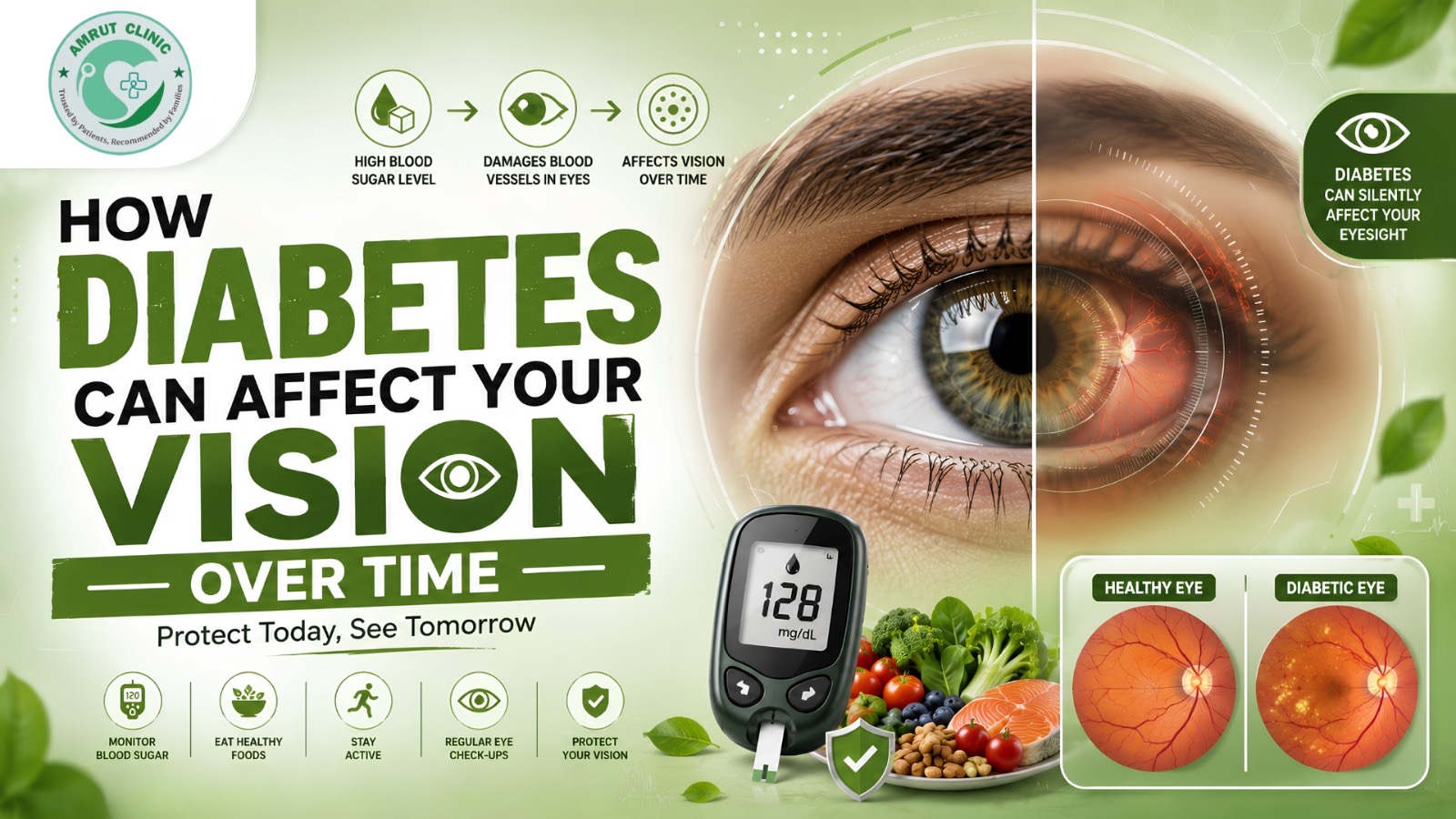
How Diabetes Can Affect Your Vision Over Time

How Diabetes Can Affect Your Vision Over Time

Most people living with diabetes understand the importance of monitoring their blood sugar levels, but what many don't realize is that diabetes can affect much more than blood sugar. It can also have a significant impact on vision.

Our eyes help us experience life's most meaningful moments, from reading a loved one's message to watching our children grow. Yet diabetes can quietly affect eye health over time, often without causing obvious symptoms in the beginning.

That's why understanding this connection is so important.

Your Eyes & Diabetes Are More Connected Than You Think

The eyes contain tiny blood vessels that help nourish the retina, the part of the eye responsible for sending visual information to the brain. When blood sugar levels remain high for long periods, these delicate blood vessels can become damaged.

This process usually happens gradually, which is why many people don't notice any problems until the condition has already progressed. In many cases, vision changes develop silently, making regular eye check-ups an essential part of diabetes care.

Why Vision Changes May Be Easy to Ignore

Have you ever experienced occasional blurry vision and assumed it was due to tiredness or spending too much time on your phone or computer? While that can sometimes be true, fluctuating blood sugar levels can also affect how clearly you see.

Some people notice temporary blurriness when their blood sugar rises or falls significantly. Because these changes may come and go, they are often dismissed as minor issues rather than potential warning signs.

When Diabetes Starts Affecting the Eyes

Over time, uncontrolled diabetes can increase the risk of several eye-related conditions.

Diabetic Retinopathy

One of the most common complications is diabetic retinopathy. This occurs when high blood sugar damages the tiny blood vessels in the retina.

The challenging part is that the condition often develops without noticeable symptoms in its early stages. As it progresses, vision may become blurry, dark spots may appear, or seeing clearly may become more difficult.

Cataracts

People with diabetes are more likely to develop cataracts earlier than those without diabetes. Cataracts cause the lens of the eye to become cloudy, making vision appear blurry or faded.

Glaucoma

Diabetes can also increase the risk of glaucoma, a condition that damages the optic nerve and may gradually affect vision if left untreated.

Small Symptoms Can Be Important Signals

Many people wait until their vision becomes severely affected before seeking help. However, even subtle changes deserve attention.

Some signs that should not be ignored include:

• Frequent blurry vision
• Difficulty seeing at night
• Seeing floaters or dark spots
• Sudden changes in eyesight
• Trouble focusing
• Areas of missing or shadowed vision

These symptoms don't always mean a serious problem is present, but they are worth discussing with a healthcare professional.

Protecting Your Eyes Starts With Everyday Habits

The good news is that many diabetes-related eye complications can be prevented or delayed.

Managing blood sugar levels, eating balanced meals, staying physically active, taking medications as prescribed, and attending regular health check-ups all contribute to better eye health. Just as importantly, regular eye examinations can help detect changes long before they begin affecting vision.

Looking Beyond Blood Sugar Readings

When managing diabetes, it's easy to focus only on glucose numbers. But diabetes care is really about protecting your overall health, including your heart, kidneys, nerves, and eyes.

At Amrut Clinic, we encourage patients to think beyond daily sugar readings and prioritize preventive care. A simple eye examination today could help identify problems early and protect your vision in the future.

Because some of life's most precious moments are meant to be seen clearly, and taking care of your diabetes is one of the best ways to help protect that gift.

The Role of Everyday Choices in Managing Diabetes

The Role of Everyday Choices in Managing Diabetes

Living with diabetes usually makes us think about medication, blood sugar readings, and doctor visits. Taking care of diabetes is not just about these things. It is about the choices we make every day.

Diabetes management is about the food we eat and how active we are. It is also about how we sleep and manage stress. These everyday habits play a role in controlling diabetes. The good thing is that small changes can make a difference over time.

Diabetes Management Happens Between Doctor Visits

A lot of people think that taking care of diabetes only happens when we visit the doctor. In reality, most of the care happens in our daily lives.

The choices we make at breakfast, at work, at dinner, and before bed all help control blood sugar. These choices may seem small, but together they can make a big difference in our health.

Taking care of diabetes is not about being perfect every day. It is about making healthier choices more often.

The Importance of Balanced Eating

Food is one of the most important factors in controlling blood sugar. Taking care of diabetes does not mean we have to completely avoid our favorite foods or follow a very strict diet.

It is about making balanced choices. Eating vegetables, whole grains, lean proteins, healthy fats, and foods rich in fiber can help keep blood sugar levels stable.

Simple habits like eating meals on time, controlling portion sizes, and avoiding excessive sugary or processed foods can help us take better care of diabetes.

Staying Active Makes a Difference

Being physically active helps our body use insulin more effectively and keeps blood sugar levels healthier.

The good thing is that we do not have to spend hours exercising. Simple activities like walking, cycling, stretching, gardening, or taking the stairs can help us stay healthy.

A short walk after meals can help the body process glucose more efficiently. Being consistent is often more important than doing intense exercise.

Sleep and Blood Sugar Are Connected

Sleep is often overlooked when it comes to taking care of diabetes, yet it plays a major role in overall health.

Not sleeping well can affect hormone balance, increase insulin resistance, and make it harder to control blood sugar. Many people notice that when they do not get enough sleep, they feel tired, hungrier, and less motivated to make healthy choices.

Going to bed on time and getting quality sleep can help us take better care of diabetes.

Stress Can Affect More Than Your Mood

Life can be stressful, and many people do not realize that stress can also affect blood sugar levels.

When we are stressed, the body releases hormones that can cause glucose levels to rise. Over time, unmanaged stress can make diabetes more difficult to control.

Finding ways to manage stress through exercise, relaxation techniques, hobbies, or spending time with loved ones can benefit both emotional and physical health.

The Value of Regular Monitoring

Checking blood sugar levels regularly helps us understand how the body responds to food, exercise, medication, and daily habits.

Regular doctor visits and health check-ups can help identify patterns, make adjustments, and prevent complications before they become serious.

Understanding these patterns helps us make better decisions about our health.

Small Changes Can Lead to Big Results

Many people think they have to completely change their lifestyle to take care of diabetes. In reality, small and sustainable changes can lead to significant improvements.

Choosing water instead of sugary drinks, taking a daily walk, improving sleep quality, or making healthier food choices may seem simple. However, when practiced consistently, these habits can make a meaningful difference in blood sugar control and overall well-being.

Managing Diabetes One Day at a Time

Taking care of diabetes is not about one meal, one blood sugar reading, or one setback. It is a long-term journey built on the choices we make every day.

At Amrut Clinic, we believe that diabetes management is most effective when medical care is combined with healthy lifestyle habits. By making informed choices each day, people can take control of their health, reduce complications, and improve their quality of life.

The choices we make every day can have a lasting impact on our health when it comes to diabetes.

How Modern Eating Habits Are Changing the Face of Diabetes

How Modern Eating Habits Are Changing the Face of Diabetes

Life today moves faster than ever. Between busy work schedules, long commutes, food delivery apps, and endless to-do lists, eating has often become something we fit into our day rather than something we truly pay attention to. A quick snack between meetings, a late-night meal after work, or ordering convenience foods may seem normal, but these everyday habits are quietly changing our relationship with food and, in many cases, our health.

One of the biggest concerns linked to these changing eating patterns is the rising number of people living with diabetes. What was once considered a condition that mostly affected older adults is now being seen more frequently in younger people as well. While several factors contribute to diabetes, modern eating habits are playing a larger role than many realize.

1. When Convenience Becomes the Default Choice

For many of us, convenience often guides our food choices. Ready-to-eat meals, packaged snacks, sugary drinks, and fast food are easily available and fit perfectly into a busy lifestyle.

The challenge is that these foods are often high in refined carbohydrates, added sugars, and unhealthy fats. They may satisfy hunger for a short time, but regular consumption can lead to weight gain, unstable blood sugar levels, and increased insulin resistance over time.

The issue is not enjoying these foods occasionally. It is when they become a regular part of daily life.

2. The Problem With Irregular Eating

Skipping breakfast, delaying lunch, or eating dinner late at night has become surprisingly common. Many people spend the entire day working, only to realize they have barely eaten anything until evening.

These irregular eating patterns can make it harder for the body to regulate blood sugar effectively. They may also lead to overeating later in the day, creating a cycle that places additional strain on the body's metabolic system.

Sometimes, it is not just what we eat that matters, but when we eat it.

3. Sugary Drinks: The Hidden Habit

Many people are careful about desserts but overlook the sugar hiding in beverages. Soft drinks, packaged juices, flavored coffees, and energy drinks often become part of everyday routines.

Because these drinks are consumed quickly, it is easy to underestimate how much sugar they contain. Over time, regular consumption can contribute to higher blood sugar levels and increased risk of developing diabetes.

A simple beverage choice made every day can have a bigger impact than most people expect.

4. Eating More While Moving Less

Modern lifestyles have changed not only the way we eat but also the way we move. Many jobs require long hours at a desk, and leisure time often revolves around screens.

When physical activity decreases while calorie intake remains high, the body becomes less efficient at using glucose. This can lead to weight gain and insulin resistance, both of which are closely linked to Type 2 diabetes.

Even small lifestyle changes such as taking a short walk after meals or choosing the stairs more often can support better blood sugar management.

5. Small Habits, Big Consequences

The reality is that diabetes rarely develops because of one meal or one unhealthy choice. It often results from patterns that build gradually over months and years.

A few extra sugary drinks each week, frequent late-night meals, larger portion sizes, and limited physical activity may not seem significant individually. Together, however, they can create an environment where blood sugar control becomes increasingly difficult.

The good news is that small positive changes can be just as powerful.

6. Building a Healthier Relationship With Food

Managing diabetes or reducing the risk of developing it is not about strict diets or giving up every favorite food. It is about creating sustainable habits that support long-term health.

Eating balanced meals, choosing more whole foods, staying active, drinking enough water, and being mindful of portion sizes can all make a meaningful difference. The goal is not perfection; it is consistency.

At Amrut Clinic, we often remind patients that health is shaped by everyday choices. Understanding how modern eating habits affect blood sugar is the first step toward making informed decisions that benefit both present and future well-being.

Because sometimes, the biggest changes in health do not start with major transformations. They begin with small choices made at every meal.

Managing Diabetes in Winter

Common Diabetes Myths That Could Be Affecting Your Health Decisions

Diabetes is one of the most common health conditions worldwide, yet it remains surrounded by misconceptions. Many people rely on information they have heard from friends, family, or social media, often without realizing that these beliefs may be inaccurate. Unfortunately, these myths can influence important health decisions and delay proper care.
At Amrut Clinic, we believe that understanding the facts is just as important as treatment itself. When people make decisions based on myths rather than medical guidance, managing diabetes becomes more challenging and health risks can increase over time.
Myth 1: Only People Who Eat Too Much Sugar Get Diabetes
One of the most widespread misconceptions is that diabetes develops solely because someone eats sugary foods. While excessive sugar intake can contribute to weight gain and increase risk factors, diabetes is influenced by multiple factors including genetics, lifestyle, age, obesity, insulin resistance, and family history.
A person who rarely eats sweets can still develop diabetes, while another who occasionally enjoys desserts may not. Understanding the broader causes helps people focus on overall health rather than blaming a single food.
Myth 2: Diabetes Is Not Serious If Symptoms Are Mild
Many individuals ignore early signs because they feel relatively normal. However, diabetes can quietly affect the body long before noticeable symptoms appear.
Uncontrolled blood sugar levels may damage blood vessels, nerves, kidneys, eyes, and the heart over time. Regular monitoring and timely treatment are important even when symptoms seem minor or manageable.
Myth 3: People With Diabetes Can Never Eat Carbohydrates
Carbohydrates are often viewed as the enemy, leading some people to eliminate them completely. In reality, carbohydrates are an important source of energy.
The key lies in choosing healthier options and maintaining portion control. Whole grains, fruits, vegetables, and fiber-rich foods can be part of a balanced diabetes-friendly diet when consumed appropriately. The goal is smart food choices, not complete restriction.
Myth 4: Medication Alone Can Control Diabetes
Many people believe that taking medicines is enough to manage diabetes effectively. While medication plays a crucial role, it works best when combined with healthy lifestyle habits.
Regular physical activity, balanced nutrition, quality sleep, stress management, and routine health check-ups all contribute to better blood sugar control. Successful diabetes management is a combination of treatment and daily habits.
Myth 5: If Blood Sugar Levels Improve, Treatment Can Be Stopped
Seeing improved sugar readings is encouraging, but it does not always mean diabetes has disappeared. Some people stop medication or neglect lifestyle changes once their numbers improve, only to experience uncontrolled levels later.
Diabetes management is an ongoing process. Any changes to treatment should always be made under medical supervision to ensure long-term stability and health.
The Importance of Separating Facts from Myths
Health decisions should be based on reliable medical information rather than common assumptions. Misconceptions can create unnecessary fear, delay diagnosis, or prevent people from following effective treatment plans.
The more informed a person is about diabetes, the better equipped they are to make choices that support long-term well-being. Small steps taken with the right knowledge can have a significant impact on overall health.
At Amrut Clinic, we help patients understand not only how to manage diabetes but also how to recognize misleading information that may affect their care. Education, regular monitoring, and personalized guidance remain the foundation of effective diabetes management.
When it comes to diabetes, believing the facts can make all the difference.

Managing Diabetes in Winter

5 Daily Mistakes That Make Diabetes Worse Without You Realizing

Diabetes does not usually get worse because of one mistake. It often gets worse because of small daily habits that people do not even notice. Many people think they are managing their diabetes well because they do not feel any symptoms. The truth is, some everyday routines may still be affecting their blood sugar levels silently.
At Amrut Clinic, taking care of diabetes is not just about taking medicine. It is also about understanding how daily lifestyle habits can affect long term health.
Here are five common mistakes people make every day that can make diabetes worse without them even realizing it.
1. Skipping Meals or Eating at the Wrong Time
Some people believe that eating less or skipping meals helps control sugar levels. In reality, eating at irregular times can disturb the body’s glucose balance.
When meals are skipped, the body may respond with sudden spikes in blood sugar levels during the next meal. This creates fluctuations that make diabetes harder to manage.
Eating meals at the same time every day helps the body regulate insulin more effectively and reduces sudden glucose changes.
2. Eating Too Much Packaged Food Labeled as “Diabetic-Friendly”
Many people assume that foods labeled as “sugar-free” or “diabetic-friendly” are completely safe. However, a lot of these products still contain refined carbohydrates, hidden sweeteners, or high-calorie ingredients.
Regular consumption of these foods can still raise blood glucose levels and slow down progress in diabetes management.
The best foods to eat are fresh vegetables, fruits in moderation, and home-cooked meals. These are more reliable options for managing diabetes in the long run.
3. Sitting for Long Hours Without Moving
Even with a healthy diet, sitting for long periods can negatively affect diabetes management.
Whether people are working, watching TV, or using their phones, long periods of inactivity make the body less efficient at using glucose. Over time, this can lead to higher sugar levels and increased fatigue.
Simple activities like short walks after meals or stretching every hour can help the body process glucose more efficiently.
4. Poor Sleep or an Irregular Sleep Schedule
Sleep is often overlooked in diabetes management, but it plays a major role in hormone regulation.
When people do not sleep properly or maintain an irregular sleep routine, stress hormones can increase and affect blood sugar levels. Even a few nights of poor sleep can make glucose levels harder to control.
Going to bed and waking up at the same time every day, along with getting 7–8 hours of sleep, can support better metabolic balance.
5. Not Managing Stress Properly
Stress is not only mental — it can also affect physical health. Chronic stress increases cortisol levels, which can raise blood sugar levels even when people are eating healthy food and taking medication properly.
Many people do not realize how work pressure, emotional strain, or daily stress can affect their diabetes readings.
Practices like deep breathing, walking, meditation, or mindfulness exercises can help reduce stress and support better diabetes control.
Managing Diabetes in the Long Run
Managing diabetes is not only about controlling sugar levels. It is about understanding the daily patterns and habits that influence those levels over time.
Small improvements in daily routines can lead to significant long term health benefits. Regular monitoring, medical guidance, and healthy lifestyle habits work best when combined together.
For people who need support managing their diabetes, professional guidance can ensure treatment is not just reactive but preventive.
At Amrut Clinic, we focus on diabetes care that goes beyond medication. We help patients understand what triggers their diabetes, improve daily habits, and maintain stable health in the long run. Diabetes management is not just about treatment — it is about helping people live healthier and more balanced lives.

Thyroid Diet Tips

Feeling Drained Every Day? It Might Be Your Blood Sugar Levels

Feeling tired sometimes is normal. But when you are tired all the time even after getting enough rest, your body might be trying to tell you something is wrong. One common reason people feel constant fatigue is unstable blood sugar levels.
A lot of people think diabetes is only about having too much sugar in the blood, but in reality, constant tiredness is often one of the first signs that something is not right.
At Amrut Clinic, many people say they feel tired, sleepy, or low on energy long before they realize their blood sugar levels may be affecting their health.
Why Do High Blood Sugar Levels Make You Tired?
Your body uses glucose for energy. When blood sugar levels are too high, your body cannot use glucose properly because insulin is not working effectively.
So even though there is sugar in your blood, your cells are not getting the energy they need. This leads to tiredness, sluggishness, and low energy.
If blood sugar levels stay unstable, it can also affect sleep, increase thirst, and create inflammation in the body — all of which make fatigue worse.
Signs Your Tiredness May Be Linked to Blood Sugar
Many people do not realize their tiredness is connected to blood sugar issues because symptoms develop slowly.
Some common signs include:
Feeling tired after eating
Feeling sleepy during the day
Difficulty focusing or mental fog
Excessive thirst and frequent urination
Sudden hunger cravings
Feeling weak even after resting
If you notice these symptoms regularly, it should not be ignored.
Everyday Habits That Can Make Tiredness Worse
Sometimes daily habits can make blood sugar imbalance and fatigue worse.
Poor eating habits — skipping meals, eating too many refined carbs, or consuming sugary snacks can cause sugar spikes and crashes, leading to tiredness.
Lack of movement — sitting for long hours slows down the body’s ability to manage glucose properly, making you feel sluggish.
Poor sleep — lack of proper sleep affects insulin function and increases fatigue the next day.
Chronic stress — stress increases hormone levels that can disrupt blood sugar balance and energy levels.
Feeling Tired Is Not a Weakness
Many people assume constant tiredness is due to age, stress, or lack of vitamins. But persistent fatigue without a clear reason should not be ignored.
Sometimes, diabetes or prediabetes develops silently, and tiredness is one of the early warning signs. Detecting it early can help prevent complications.
How to Improve Your Energy
Managing blood sugar levels can help improve daily energy.
Simple steps include:
Eating balanced meals at regular times
Staying hydrated throughout the day
Doing regular physical activity
Reducing sugar intake
Getting proper sleep
Monitoring blood sugar levels if advised by a doctor
It is also important to consult a doctor, because fatigue can sometimes be linked to diabetes or other health conditions.
When Should You See a Doctor?
If you feel tired all the time even after resting, or if you also experience symptoms like excessive thirst, weight changes, blurred vision, or frequent urination, you should consult a doctor.
Early diagnosis of diabetes can help prevent long-term complications and improve quality of life.
At Amrut Clinic, we help identify early symptoms, improve lifestyle habits, and support better energy and health management.
Sometimes your body is not just saying it is tired — it is telling you to pay attention.

WhatsApp

© Amrut Clinic. All Rights Reserved.